Implant and full-arch cases require shared checkpoints
ISDL structures the laboratory stages around complete records, component information, validation and the restorative plan.
Component and clinical information must agree
Implant cases are checked for the data needed to design a restoration within the prescribed prosthetic plan.
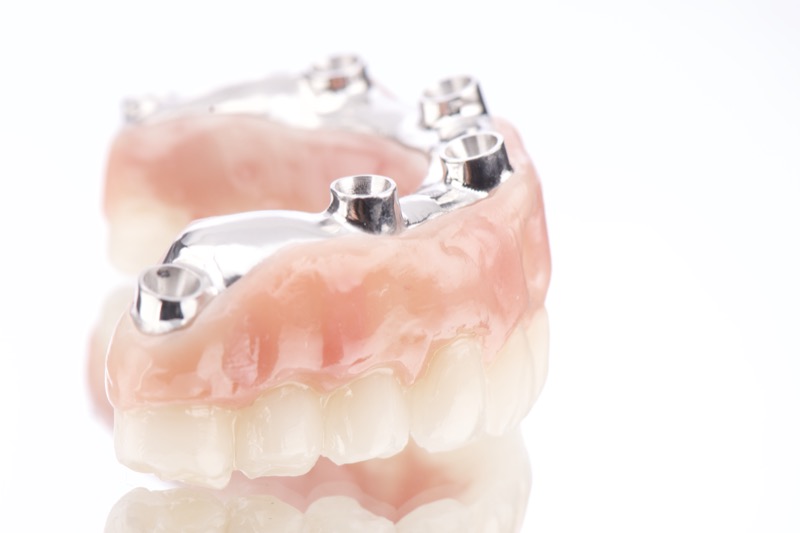
Implant-supported restorations require traceable component information and a coherent clinical record. ISDL reviews the implant system, scan body or impression route, tissue data, antagonist, bite, provisional reference, intended tooth position and restorative prescription before design.
A complete digital file does not replace missing clinical information. Questions affecting component compatibility, emergence, hygiene access, restorative space or occlusion are returned to the practitioner before the case advances.
- Implant system and component references
- Verified scan body or impression information
- Antagonist, bite and tissue records
- Approved tooth position or provisional reference
- Material, emergence and hygiene objectives
Validation is planned before production
Verify
Review implant data, records and prescription.
Design
Develop the prosthetic architecture within the agreed plan.
Validate
Share required intermediate views or stages.
Finish
Produce, characterise and complete final controls.
Complex cases are not treated as routine files
The laboratory documents questions and validation points instead of silently interpreting missing information. Clinical decisions remain with the practitioner, while ISDL provides the prosthetic and technical analysis required for production.
From a single implant restoration to a full-arch project
The laboratory workflow changes with the scale and complexity of the restoration. A single implant crown, a multi-unit bridge and a full-arch prosthesis require different records, checkpoints and validation stages.
ISDL coordinates prosthetic architecture, component references, CAD design and finishing within the treatment plan defined by the dentist. Clinical diagnosis, implant positioning and patient follow-up remain the responsibility of the treating team.
Implant crowns
Component compatibility, emergence and occlusion reviewed from the supplied records.
Implant bridges
Architecture, passive-fit strategy and validation requirements clarified before production.
Full-arch prosthetics
Tooth position, provisional references and staged validation organised with the dentist.
Digital implant workflow
Scan intake, component data and CAD checkpoints connected in one record.
Complex cases need an agreed communication route before they travel
An international implant or full-arch case is reviewed for technical compatibility, documentation, validation stages, timing and transport before acceptance. ISDL does not begin production while an essential component or practical condition remains uncertain.
The first-case review is deliberately limited so both teams can validate the workflow before considering recurring activity.
Implant prosthetics and full-arch laboratory questions
Which implant information must be provided?
Provide the implant system, component or scan-body references, tissue and bite records, antagonist, prescription and any validated provisional or tooth-position reference.
Can ISDL produce implant bridges and full-arch restorations?
ISDL reviews these cases individually after checking the records, components, prosthetic plan and required validation stages.
Who makes the clinical decisions?
Diagnosis, implant positioning, treatment planning and clinical follow-up remain with the treating dentist. ISDL provides laboratory analysis, design and fabrication.
Can an international practice submit an implant case?
Yes, after technical compatibility, communication, timing, transport and practical conditions have been confirmed.
Prepare an implant or full-arch case
Present the system, records and expected validation stages.